

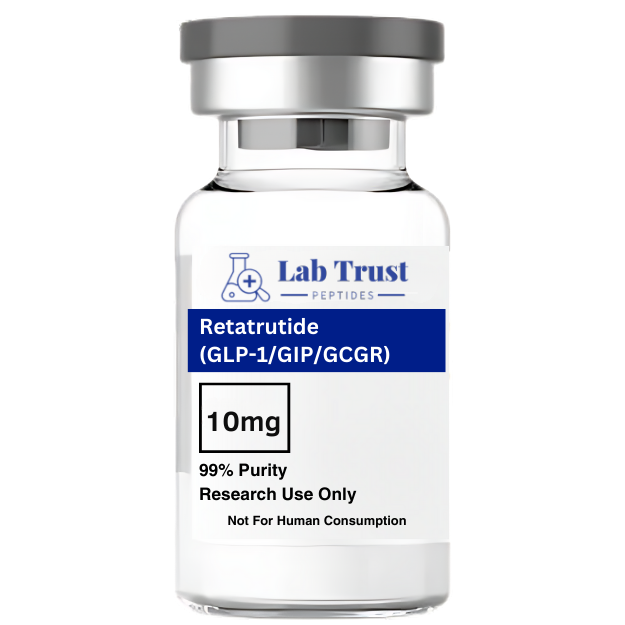
In the world of metabolic and endocrine research, finding reliable compounds to explore complex biochemical pathways is essential. Among these, Retatrutide peptide has emerged as a fascinating synthetic compound, offering unique opportunities for laboratories investigating multi-receptor interactions. While primarily designed for research purposes, its versatility in experimental models makes it an invaluable tool for scientists seeking deeper insights into metabolic regulation. This article delves into the features, research applications, and handling considerations of Retatrutide, providing a practical guide for lab professionals and enthusiasts alike.
Understanding Retatrutide Peptide
Retatrutide peptide is classified as a triple agonist, meaning it simultaneously targets GLP-1, GIP, and glucagon receptors. This multi-receptor functionality enables researchers to study integrated metabolic pathways rather than isolated mechanisms, creating a richer understanding of endocrine interactions.
Key Research Applications of Retatrutide
- Metabolic Regulation Studies: Researchers utilize Retatrutide to analyze how hormones coordinate glucose, lipid, and energy balance. This can shed light on metabolic disorders and pave the way for innovative therapeutic models.
- Triple-Receptor Signaling Models: By activating GLP-1, GIP, and glucagon receptors concurrently, scientists can observe the nuanced effects of multi-pathway stimulation on cellular processes.
- Energy Balance and Hormonal Interactions: Experiments with Retatrutide help elucidate how hormonal crosstalk influences energy utilization and storage, providing critical insights into obesity and related metabolic conditions.
In addition, Retatrutide’s consistent analytical purity makes it ideal for controlled laboratory settings where reproducibility and precision are crucial. Each batch comes with a comprehensive Certificate of Analysis (COA), ensuring researchers can trust the quality and consistency of the compound.
Proper Handling and Storage
Working with synthetic peptides requires careful attention to storage and preparation. Retatrutide is supplied in sterile glass vials containing lyophilized powder, which preserves stability over time. Key handling tips include:
- Reconstitution with bacteriostatic water or an appropriate laboratory solvent.
- Storage at -20°C for lyophilized powder and 2–8°C after reconstitution.
- Protection from light, moisture, and repeated freeze-thaw cycles.
These precautions help maintain peptide integrity, allowing researchers to conduct experiments with confidence in the reproducibility of their results.
Why Labs Prefer Retatrutide Peptide
Many research laboratories choose Retatrutide because of its verified purity and rigorous quality controls. Independent LCMS testing, heavy metal analysis, endotoxin screening, and sterility verification ensure that each batch meets stringent standards.
- Labs benefit from a reliable cold-chain shipping process, which preserves peptide integrity during transit, a crucial factor for experiments that depend on precise molecular activity.
Moreover, Retatrutide’s multi-receptor design allows researchers to explore complex signaling interactions that single-target peptides cannot replicate, offering a broader perspective on endocrine and metabolic processes.
Conclusion
Retatrutide peptide represents a remarkable advancement in research compounds, providing laboratories with the ability to investigate intricate hormonal networks with precision. Its high purity, multi-receptor functionality, and reliable handling make it a top choice for metabolic and endocrine research. Whether your focus is glucose regulation, energy balance, or receptor signaling, Retatrutide offers a versatile platform for cutting-edge experiments. For researchers committed to precision and quality, this peptide is more than a tool—it’s a gateway to deeper understanding of metabolic science.